Understanding the Manaslu Circuit Trek
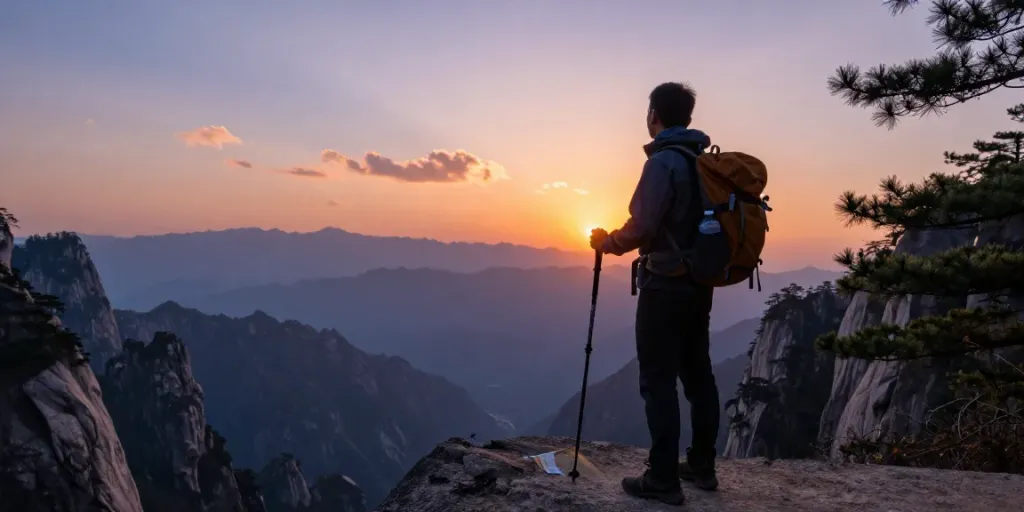
The Manaslu Circuit is more than just a trek; it's a journey through the heart of the Himalayas, providing a unique blend of breathtaking scenery and cultural immersion. This trek, located in the remote Gorkha region of Nepal, offers adventurers the chance to circle Mount Manaslu, the eighth highest mountain in the world, standing tall at 8,163 meters (26,781 feet). The circuit encompasses stunning landscapes, rich local culture, and challenging terrain that attracts experienced trekkers seeking a less commercialized alternative to more popular treks like the Annapurna Circuit.
What is the Manaslu Circuit?
The Manaslu Circuit Trek is a 15-day expedition that offers a rare opportunity to explore one of Nepal's most untouched trekking routes. With its dramatic mountains, deep valleys, and serene lakes, this trek will take you through diverse ecosystems and charming villages, each echoing the rich traditions of the local Gurung and Tibetan communities.
The Significance of the Manaslu Circuit in Trekking
This trek is significant not only for its physical challenges but also for its cultural experiences. As you journey through the Manaslu Conservation Area, you will encounter ancient monasteries, local festivals, and the warm hospitality of the Himalayan people, enhancing the overall trekking experience. The area is relatively quiet compared to the overcrowded Annapurna and Everest circuits, allowing for introspection and appreciation of nature.
Unique Features of the Manaslu Circuit Trek
- Scenic Diversity: From subtropical forests to high-altitude deserts, the trek offers a variety of landscapes.
- Cultural Richness: Interaction with local communities reveals the Himalayan way of life and Tibetan Buddhist culture.
- Wildlife Encounter: The region is home to diverse flora and fauna, including rare species like the snow leopard and red panda.
- Less Crowded Trails: Due to its restricted area status, the trek remains less populated, providing a more tranquil experience.
- Challenging Terrain: The trek includes steep ascents, descents, and crossing the Larkya La Pass, which offers stunning views of surrounding peaks.
Preparing for the Manaslu Circuit Trek
Proper preparation is crucial for ensuring a safe and enjoyable experience on the Manaslu Circuit. From selecting the right gear to understanding physical requirements, here are essential steps to guide you in your preparation.
Essential Gear and Packing List
When preparing for the trek, selecting the right equipment can greatly enhance your trekking experience. Essential items include:
- Footwear: Sturdy, waterproof trekking boots with good ankle support.
- Clothing: Layered clothing, including moisture-wicking base layers, insulating layers, and a waterproof shell.
- Sleeping Bag: A sleeping bag rated for -15°C (5°F) for higher altitudes.
- Hydration System: A durable water bottle or hydration pack, along with water purification tablets.
- Personal Items: Sunscreen, sunglasses, first aid kit, and personal medications.
Physical Fitness Requirements for the Hike
Before embarking on the Manaslu Circuit, it's essential to assess your physical readiness. This trek is considered moderately difficult, requiring a good level of fitness:
- Daily hikes of 5-8 hours over rugged terrain.
- Prior experience with long-distance hiking is beneficial.
- Regular cardiovascular training, such as running, cycling, or hiking, for at least two months prior to the trek.
Acclimatization Strategies for High Altitudes
Acclimatization is vital to prevent altitude sickness. The following strategies can help:
- Ascending gradually to allow your body to adjust to lower oxygen levels.
- Resting for at least one day in Samagaon to acclimatize before heading to higher altitudes.
- Staying hydrated and consuming a balanced diet rich in carbohydrates and fluids.
Manaslu Circuit Trek Itinerary Overview
The well-structured itinerary of the Manaslu Circuit enhances your trekking experience by allowing time for acclimatization and cultural exploration.
Day-by-Day Trekking Schedule
Here’s a brief overview of the daily activities on the trek:
- Day 1: Arrival in Kathmandu, transfer to hotel.
- Day 2: Drive to Machha Khola (8-10 hours).
- Day 3: Trek to Jagat (6-7 hours).
- Day 4: Trek to Deng (6-7 hours).
- Day 5: Trek to Namrung (7-8 hours).
- Day 6: Trek to Lho (3-4 hours).
- Day 7: Trek to Samagaon (3-4 hours).
- Day 8: Acclimatization Day, hike to Manaslu Base Camp.
- Day 9: Trek to Samdo (3-4 hours).
- Day 10: Trek to Dharmashala (4-5 hours).
- Day 11: Trek over Larkya La Pass to Bimthang (8-9 hours).
- Day 12: Trek to Goa (5-6 hours).
- Day 13: Trek to Dharapani (3-4 hours).
- Day 14: Drive back to Kathmandu (10-12 hours).
- Day 15: Final departure.
Highlights of Each Trekking Day
Each leg of the trek encompasses stunning vistas, cultural encounters, and unique experiences:
- Day 3: Experience the vibrant greenery and traditional settlements.
- Day 6: Enjoy breathtaking views of Mt. Manaslu from Lho.
- Day 9: Observe the unique architecture and lifestyle of Samdo.
- Day 11: Marvel at the panoramic views from Larkya La Pass.
Tips for Managing Your Daily Trekking Goals
Managing your energy and expectations during the trek is key:
- Start your day early to take advantage of cooler temperatures.
- Take regular breaks to rest and hydrate.
- Set realistic daily goals based on your fitness level.
Cost Breakdown of the Manaslu Circuit Trek
Understanding the financial aspects of the trek helps in planning your adventure without unexpected costs.
What Does the Trek Price Include?
The price typically includes:
- All necessary permits (MRAP, MCAP, ACAP, TIMS).
- Accommodation in teahouses and tents.
- Meals (breakfast, lunch, and dinner) during the trek.
- Guides and porters to assist throughout your journey.
- Transportation to and from the trek’s starting point.
Estimating Daily Expenses During the Trek
In addition to the trek package price, estimate daily expenses:
- Budget around USD 15-20 per day for snacks, drinks, and personal expenses.
- Cost for hot showers and Wi-Fi may also apply.
Additional Costs to Consider for a Seamless Experience
Consider allocating a budget for:
- Travel insurance with coverage for high-altitude trekking.
- Rental gear, if needed, such as sleeping bags or down jackets.
- Souvenirs and gifts from local villages.
- Tips for your trekking guides and porters.
Frequently Asked Questions about the Manaslu Circuit
As you plan your trek, consider common questions that many adventurers have.
What is the best time of year to trek the Manaslu Circuit?
The optimal times for trekking the Manaslu Circuit are in the spring (March to May) and autumn (September to November). These months offer stable weather, clear skies, and beautiful views of the mountains.
What level of difficulty should I expect on the Manaslu Circuit?
The trek is considered moderately difficult, with daily walks ranging from 5 to 8 hours. Good fitness, determination, and some hiking experience are beneficial for a successful trek.
Are permits required for the Manaslu Circuit Trek?
Yes, trekkers must obtain specific permits, including the Manaslu Restricted Area Permit (MRAP) and Manaslu Conservation Area Permit (MCAP), which we will arrange for you.
How does the Manaslu Circuit compare to other popular treks?
The Manaslu Circuit is less crowded and offers a more immersive cultural experience than the Annapurna or Everest Base Camp treks, making it ideal for those seeking solitude in nature.
What safety measures should trekkers take?
Trekkers should prioritize acclimatization, stay hydrated, and be aware of the signs of altitude sickness. Always trek with a licensed guide to ensure safety.