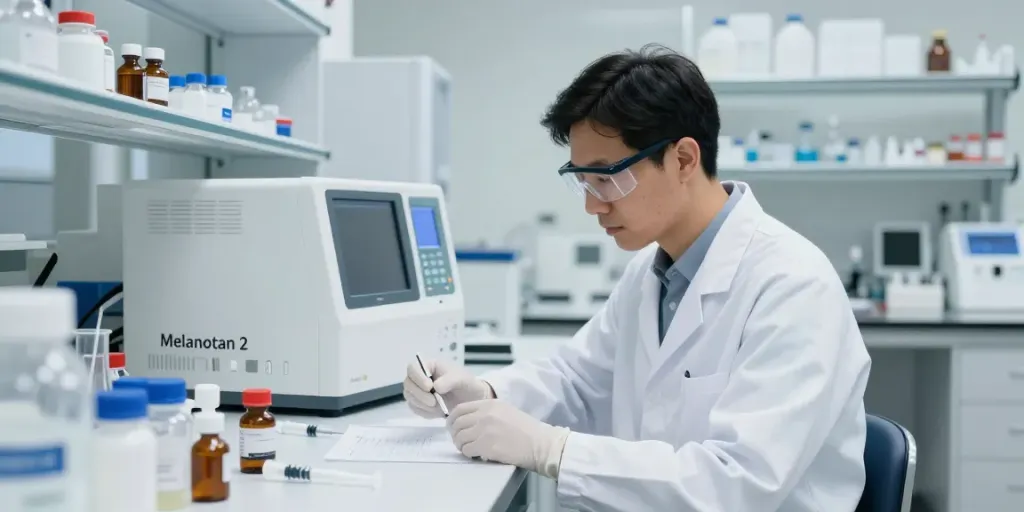
Understanding Melanotan 2
Melanotan 2 (MT-2) is a synthetic peptide that functions as a melanocortin receptor agonist, which plays a pivotal role in research related to skin pigmentation and other physiological processes. This peptide is particularly favored in the scientific community due to its ability to stimulate the production of melanin, the pigment responsible for skin coloration, and has garnered attention for its potential applications in various studies. When exploring options, Melanotan 2 for sale provides comprehensive insights into this research compound.
What is Melanotan 2?
Melanotan 2 is a derivative of the naturally occurring hormone α-melanocyte-stimulating hormone (α-MSH). It was initially developed to address issues related to skin damage from excessive UV exposure and has been studied for its capabilities to promote tanning, reducing the risk of skin cancer. As an injectable peptide, it serves as a powerful tool for researchers investigating the mechanisms of pigmentation and potential therapeutic avenues for skin disorders.
The Science Behind Melanotan 2
The scientific formulation of Melanotan 2 is designed to mimic the effects of α-MSH, activating the melanocortin receptors in the body. These receptors play a critical role not only in melanin synthesis but also in appetite regulation, energy homeostasis, and sexual function. Much of the ongoing research focuses on these diverse applications, exploring how modulation of the melanocortin system can lead to beneficial health outcomes.
Common Applications in Research
- Skin Pigmentation Studies: Researchers often utilize Melanotan 2 to explore its effects on skin color and the underlying biological processes that govern pigmentation.
- Therapeutic Uses: Studies have proposed potential therapeutic uses for Melanotan 2 in treating skin disorders, such as vitiligo and erythropoietic protoporphyria (EPP).
- Obesity and Metabolism: Investigations into the peptide's role in appetite suppression and metabolic regulation are ongoing, indicating its promise in obesity research.
Quality Assurance and Testing
In the rapidly evolving field of peptide research, the integrity and purity of compounds like Melanotan 2 are paramount. The reliance on rigorous testing protocols ensures that researchers are equipped with reliable data derived from quality materials.
The Importance of Third-Party Testing
Every batch of Melanotan 2 should undergo independent third-party testing to confirm its identity, concentration, and purity. Such testing is critical in substantiating the compound's efficacy and safety. This level of scrutiny provides researchers with confidence in their results, enabling them to base their conclusions on factual data rather than uncertain claims.
Batch Documentation and COAs Explained
Each batch of Melanotan 2 produced should come with a Certificate of Analysis (COA), which documents the results of the quality assurance tests performed. This documentation includes data on the identity of the peptide, its concentration levels, and the presence of any contaminants. Access to these documents is essential for transparency and facilitates trust within the research community.
Endotoxin and Sterility Testing Practices
Endotoxin and sterility testing are vital components of the quality assurance process for Melanotan 2. Endotoxin testing helps determine whether the peptide is free from harmful bacterial contamination, which can significantly affect experimental outcomes. Ensuring sterility is equally important, particularly for compounds intended for laboratory and in-vitro research, to maintain the integrity of the study.
Purchasing Melanotan 2
With the increasing popularity of Melanotan 2 among researchers, finding reliable sources for purchasing this peptide is essential for ensuring the quality and efficacy of the compound utilized in experiments.
Where to Find Reliable Sources
Researchers looking to acquire Melanotan 2 should prioritize suppliers that emphasize transparency, quality assurance, and solid reputation in the market. The best suppliers will provide comprehensive information about their products, including detailed descriptions of testing protocols and batch documentation that may be accessed publicly.
Comparative Analysis of Vendors
Conducting a comparative analysis of various vendors is crucial when purchasing Melanotan 2. This analysis involves examining factors such as price, purity percentages, batch availability, and customer reviews. A thorough evaluation helps researchers identify vendors that meet their specific research requirements, ensuring that they receive high-quality compounds for their studies.
Understanding Pricing and Value
Price considerations for Melanotan 2 should extend beyond mere cost; researchers need to assess the value of the product based on its purity, testing documentation, and vendor reliability. While lower-priced options may be enticing, they may not always guarantee the same level of quality assurance as those from established suppliers who invest in rigorous testing protocols.
Best Practices for Handling Melanotan 2
Once Melanotan 2 is acquired, proper handling and storage practices are imperative to maintain its integrity and effectiveness in research applications.
Storage and Stability Considerations
Melanotan 2 should be stored in a cool, dry place, preferably in a refrigerator. Proper storage conditions help maintain the peptide's stability and prolong its shelf life. Researchers should always check the manufacturer’s recommendations for specific storage guidelines to avoid degradation of the compound.
Laboratory Safety Protocols
Handling Melanotan 2 requires adherence to stringent laboratory safety protocols. Researchers should wear appropriate personal protective equipment (PPE) when working with peptides to prevent exposure. Additionally, thorough training in laboratory safety practices is essential to mitigate risks associated with handling laboratory chemicals.
Efficient Research Methodologies with Melanotan 2
To leverage the benefits of Melanotan 2 effectively, researchers must employ efficient methodologies that consider the peptide's characteristics. This may include optimization of dosages for specific studies and incorporation of control experiments to validate results reliably.
Future Trends in Peptide Research
As we look ahead to 2026, the field of peptide research, including compounds like Melanotan 2, is poised for significant developments driven by scientific advancements and evolving health needs.
Emerging Developments in Research Compounds
Future research may unveil additional therapeutic applications for Melanotan 2 and other peptides. The exploration of new analogs could lead to improved efficacy or safety profiles, expanding the scope of research possibilities.
Impact of Regulatory Changes on Peptide Research
As regulatory frameworks surrounding research chemicals evolve, they will significantly influence how compounds like Melanotan 2 are developed, tested, and marketed. Staying informed about these changes is vital for researchers to ensure compliance and maintain the validity of their findings.
2026 Predictions for the Research Peptide Market
By 2026, the research peptide market is expected to grow, largely fueled by increasing investments in biotechnology and the rising demand for novel therapeutics. Melanotan 2 will likely play an essential role in this growth, particularly in studies focused on dermatological health and obesity management.