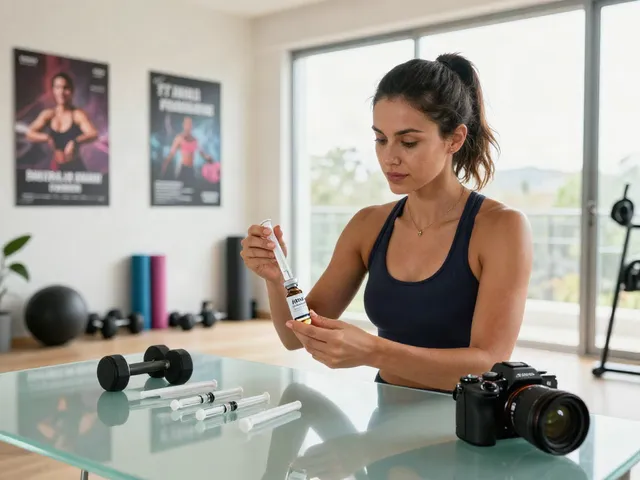
Understanding the Peptide Dosage Calculator
In the world of peptide therapy, precision is paramount. The use of peptides as therapeutic agents—ranging from those that promote muscle growth to those that enhance metabolic regulation—requires meticulous dosing to ensure both efficacy and safety. For individuals and professionals engaged in peptide therapy, the introduction of the peptide dosage calculator has emerged as an essential tool. This calculator alleviates the burdens of complex calculations, making it accessible even for those new to peptide administration.
What is a Peptide Dosage Calculator?
A peptide dosage calculator is a digital tool designed to assist users in determining the precise amount of peptide solution needed for injection based on various input parameters. These include the total amount of peptide in the vial, the volume of solvent used for reconstitution, and the desired dosage in micrograms (mcg). By simplifying the calculations involved in peptide dosing, this tool minimizes the risk of human error, ensuring that users can accurately measure their doses each time.
How the Calculator Works: A Step-by-Step Process
- Input Parameters: Users start by entering the total milligrams (mg) of the peptide contained in the vial, the volume of bacteriostatic water used for reconstitution, and the target dosage in mcg.
- Calculating Concentration: The calculator computes the concentration of the peptide in the reconstituted solution, allowing users to accurately ascertain how much solution they need to draw into their syringes.
- Output Results: The calculator provides clear instructions on how many units to draw based on the syringe markings, eliminating the guesswork associated with interpreting syringe ticks.
The Importance of Accurate Dosing in Peptide Therapy
Accurate dosing in peptide therapy is crucial for several reasons. Peptides are biologically active substances, meaning that even minor variations in dosage can lead to significantly different physiological outcomes. Therefore, maintaining the correct dosage is vital for achieving the desired therapeutic effects without triggering adverse reactions. A peptide dosage calculator is not just a convenience; it can be the difference between effective treatment and unexpected side effects.
Preparing for Peptide Reconstitution
Essential Tools and Materials for Reconstitution
Before using peptides, appropriate preparation and tools are essential. Here’s a list of necessary materials:
- Lyophilized peptide vial
- Bacteriostatic water
- Sterile mixing syringes
- Alcohol swabs
- Sanitized working surface
Step-by-Step Guide to Reconstituting Peptides
- Sanitize: Clean your hands and workspace with alcohol swabs to avoid contamination.
- Prepare Vials: Remove the protective caps from the peptide and solvent vials, then wipe the rubber stoppers with an alcohol swab.
- Draw Solvent: Use a sterile syringe to draw the appropriate amount of bacteriostatic water.
- Mix Gently: Inject the water gently into the peptide vial, allowing it to cascade down the side. Avoid direct spraying onto the peptide powder, as that can cause foaming and affect solubility.
- Swirl to Dissolve: Gently swirl or roll the vial between your fingers until the solution is clear, indicating full reconstitution.
Common Mistakes to Avoid When Reconstituting
When reconstituting peptides, several common errors can undermine the effectiveness of the peptide. Here are key pitfalls to avoid:
- Using Non-Sterile Equipment: Always ensure that syringes and swabs are sterile to prevent contamination.
- Incorrect Solvent Volume: Double-check the amount of solvent used, as over- or under-dilution affects peptide concentration.
- Forgetting to Swirl: Not properly mixing the solution can lead to uneven distribution and ineffective dosing.
Calculating Dosages Correctly
Understanding Units: mcg vs. mg
One of the frequent sources of confusion in peptide administration is the distinction between micrograms (mcg) and milligrams (mg). A milligram is 1,000 times larger than a microgram, and since most peptide dosages fall within the mcg range, it’s vital for users to understand how to convert these units effectively. Miscalculating these units can lead to severe dosing errors, emphasizing the necessity of tools like the peptide dosage calculator.
How to Use the Calculator for Accurate Dosing
Using a peptide dosage calculator is straightforward. Here’s a summary of how to effectively utilize this tool:
- Enter the total mg of peptide in the vial.
- Input the volume of bacteriostatic water added (in mL).
- Specify the target dosage in mcg.
- The calculator will output the volume of the solution to draw in units based on your syringe size.
Interpreting Results: Understanding Your Dosing Output
Once you've entered the required information and the calculator has provided your results, understanding what these numbers mean is critical. The output should clearly indicate:
- The amount of liquid to draw up based on specified syringe units.
- Any potential variations based on the concentration you chose and the number of doses your vial should provide.
This understanding allows you to engage with your peptide regimen confidently, ensuring consistent dosing throughout the treatment duration.
Handling Over-Dosing and Under-Dosing
Consequences of Over-Dosing: Risks and Side Effects
Over-dosing on peptides can have significant adverse effects. Potential risks include:
- Body's desensitization to the peptide, leading to diminished efficacy.
- Physical side effects like water retention, increased blood sugar levels, and, in some cases, more severe health complications.
- Financial waste due to premature depletion of vials, which can be costly.
What Happens When You Under-Dose a Peptide?
On the flip side, under-dosing can be just as detrimental, resulting in:
- Failure to achieve therapeutic effects, which can lead to frustration and wasted time.
- Misinterpretation of peptide effectiveness, potentially leading users to discontinue treatment prematurely.
- Adverse impacts on health if protocols are not followed accurately.
Strategies to Ensure Precise Dosing
To mitigate the risks associated with dosing errors, consider implementing these strategies:
- Always use a peptide dosage calculator to double-check your calculations.
- Familiarize yourself with the syringe units to ensure accurate measurements.
- Document your dosing schedule and any side effects for better tracking and adjustments.
Frequently Asked Questions about Peptide Dosage
Q: Why is a Peptide Dosage Calculator Necessary?
A peptide dosage calculator eliminates the potential for human error associated with manual calculations, making it an essential tool for both new and experienced users. It simplifies the dosing process, allowing users to focus on their treatments rather than complex math.
Q: How Do I Use the Calculator for Different Compounds?
The calculator can be used for various peptide compounds by entering the specific mg content and solvent volume for each one. Simply input the details for each peptide you are working with, and the calculator will provide appropriate dosing instructions.
Q: What Should I Know About Peptide Storage?
Proper storage is critical for maintaining peptide stability. Lyophilized peptides should be stored in a cool, dry place and reconstituted solutions must be kept refrigerated. Correct storage practices can significantly extend the shelf life and efficacy of your peptides.