Understanding Precision CNC Machining
CNC machining, or Computer Numerical Control machining, has revolutionized the manufacturing landscape since its inception. This advanced technique enables precise control over manufacturing tools and machinery, making it indispensable across various industries. As a precision cnc machining supplier, Honscn has been at the forefront of this transformation, offering high-quality services tailored to client needs since 2003.
What is Precision CNC Machining?
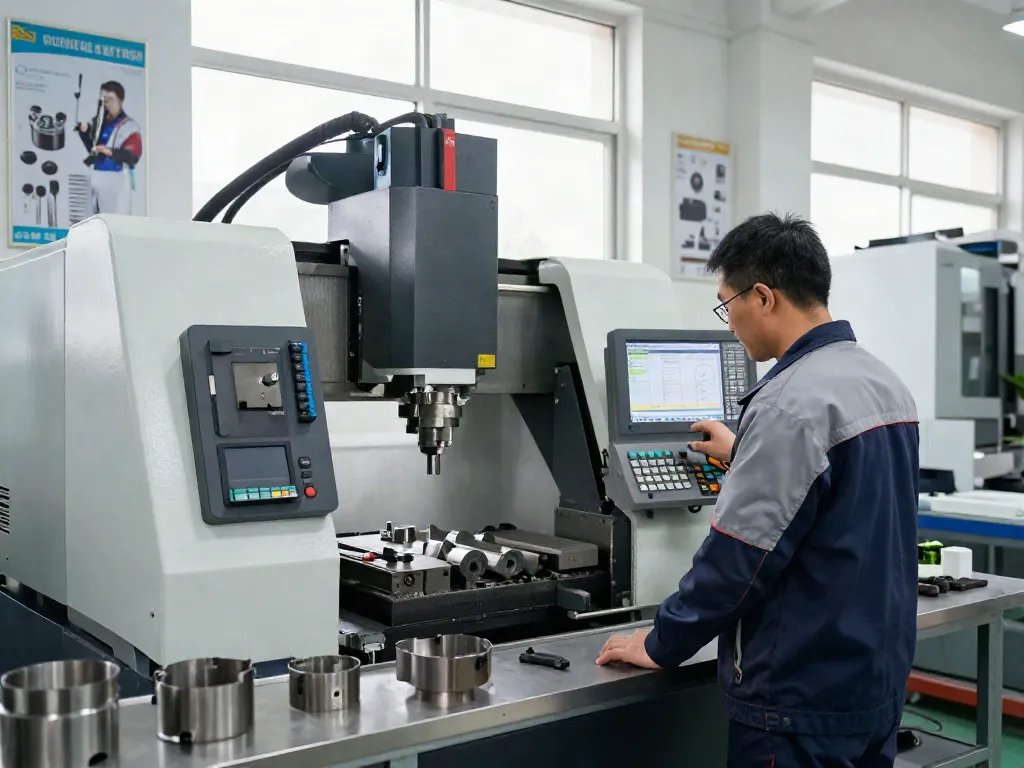
Precision CNC machining refers to the use of computer-controlled machines to fabricate parts and components with highly accurate dimensions. This technology harnesses advanced algorithms and software to ensure that every cut, drill, and feature is executed with utmost precision. Typical processes include CNC milling, turning, and grinding, which are utilized to create complex geometries that meet stringent tolerances.
Applications of Precision CNC Machining
Precision CNC machining finds applications across diverse sectors, including:
- Aerospace: Lightweight components that are crucial for flight safety.
- Automotive: High-performance parts for engines and chassis.
- Medical: Custom surgical instruments and implants.
- Electronics: Enclosures and connectors that require tight tolerances.
Each application demands a unique set of specifications and standards, making the role of a proficient CNC machining supplier vital to ensuring quality and compliance.
Benefits of Using a Precision CNC Machining Supplier
Engaging with a reliable precision CNC machining supplier offers numerous benefits, including:
- High Precision: Achieving tight tolerances that manual machining cannot match.
- Efficiency: Streamlined production processes reduce lead times.
- Cost-Effectiveness: Bulk orders can lower unit costs while maintaining quality standards.
- Expert Support: Access to skilled technicians who can assist in design optimization.
Choosing the Right CNC Machining Supplier
Finding the right CNC machining supplier can significantly impact the success of your projects. It's essential to assess potential partners based on several criteria to ensure they align with your needs.
Key Factors to Consider
When evaluating CNC machining suppliers, consider the following:
- Experience: Look for a supplier with a proven track record in your industry.
- Technology: They should employ the latest CNC machinery and software capabilities.
- Quality Control: Inquire about their quality assurance processes and certifications.
- Customer Reviews: Feedback from previous clients can provide insights into reliability and service.
Evaluating Supplier Capabilities
Assessing the capabilities of a CNC machining supplier involves a thorough analysis of their equipment, workforce, and processes. Ensure that they can handle the specific complexity of your machining needs, whether it's small batch production or large-scale manufacturing.
Questions to Ask Your CNC Machining Supplier
Before selecting a CNC machining partner, consider asking these crucial questions:
- What types of materials can you work with?
- What is your typical lead time for projects?
- Can you provide samples of previous work?
- What measures do you have in place for quality assurance?
Best Practices in CNC Machining Services
Implementing best practices in CNC machining is vital for ensuring quality output. Here’s how suppliers can maintain high standards in their operations.
Ensuring Quality Control Standards
Quality control is a critical aspect of CNC machining services. Suppliers should implement rigorous inspection processes at various stages of production to catch defects early. Utilizing advanced measurement tools such as coordinate measuring machines (CMM) can help ascertain the precision of machined parts.
Utilizing Advanced CNC Technology
The integration of advanced technologies, such as automation and IoT (Internet of Things), is shaping the future of CNC machining. These innovations enhance operational efficiency, reduce downtime, and allow for real-time monitoring of production processes.
Streamlining Production Processes
Efficiency in CNC machining can be improved by optimizing workflows and minimizing waste. Lean manufacturing principles can be applied to streamline processes, reduce cycle times, and ultimately enhance productivity.
Real-World Case Studies of Precision CNC Machining
Examining real-world applications of precision CNC machining highlights its versatility and effectiveness across industries.
Successful Applications in Aerospace Manufacturing
The aerospace industry relies heavily on precision CNC machining for manufacturing critical components like turbine blades. These components require tight tolerances and are subject to rigorous testing before they can be certified for flight. Companies that use precision CNC machining can ensure that their products meet stringent safety standards.
CNC Machining in the Automotive Industry
In the automotive sector, precision machining is used to produce high-performance engine blocks and transmission parts. Manufacturers leverage CNC technology to increase production rates while maintaining quality, ultimately enhancing vehicle performance.
Case Study: Custom Solutions for Complex Projects
One notable case involved a supplier that designed custom CNC machined components for a medical device manufacturer. By working closely with the customer during the design phase, the supplier was able to create intricate parts that significantly improved the device's functionality.
Future Trends in CNC Machining for 2026 and Beyond
As technology advances, the CNC machining industry is poised for significant changes. Here are a few trends to watch as we move into 2026.
Adoption of Smart Manufacturing Technologies
The future of CNC machining will likely see a rise in smart manufacturing technologies. Automation, AI, and machine learning are expected to enhance the precision and efficiency of machining processes, allowing for greater scalability and customization.
Environmental Impact and Sustainable Practices
With growing concerns about sustainability, CNC machining suppliers are beginning to adopt practices that reduce waste and energy consumption. Techniques such as recycling metal shavings and using energy-efficient machines are becoming standard.
Emerging CNC Machining Innovations to Watch
Technological advancements, such as additive manufacturing combined with CNC machining, are emerging, offering unprecedented design flexibility and efficiency in production.
How Can CNC Machining Transform Your Business?
Businesses that integrate CNC machining into their production processes can expect enhanced efficiency, reduced costs, and superior quality in their products. The ability to produce complex parts quickly and accurately positions companies favorably in competitive markets.
What Makes a Quality CNC Machining Supplier?
A quality CNC machining supplier will demonstrate expertise in machinery, materials, and manufacturing processes. They should also provide exceptional customer service and demonstrate a commitment to continuous improvement.
What Industries Benefit Most from CNC Machining?
Industries such as aerospace, automotive, medical, and electronics are some of the sectors that derive significant advantages from CNC machining due to its precision and efficiency.
What are the Common Misconceptions about CNC Machining?
Common misconceptions include the belief that CNC machining is only suitable for large-scale production. In reality, CNC technology is highly versatile and can be efficiently used for both small and large production runs.
How to Calculate the Cost of CNC Machining?
The cost of CNC machining can vary based on numerous factors, including material type, design complexity, and production volume. It is essential to obtain detailed quotes from suppliers to understand the total cost of ownership.
What Certifications Should a CNC Machining Supplier Have?
Look for suppliers that hold relevant certifications, such as ISO 9001, which ensures quality management systems are in place, or specific industry-related certifications that demonstrate their capabilities and commitment to quality.