
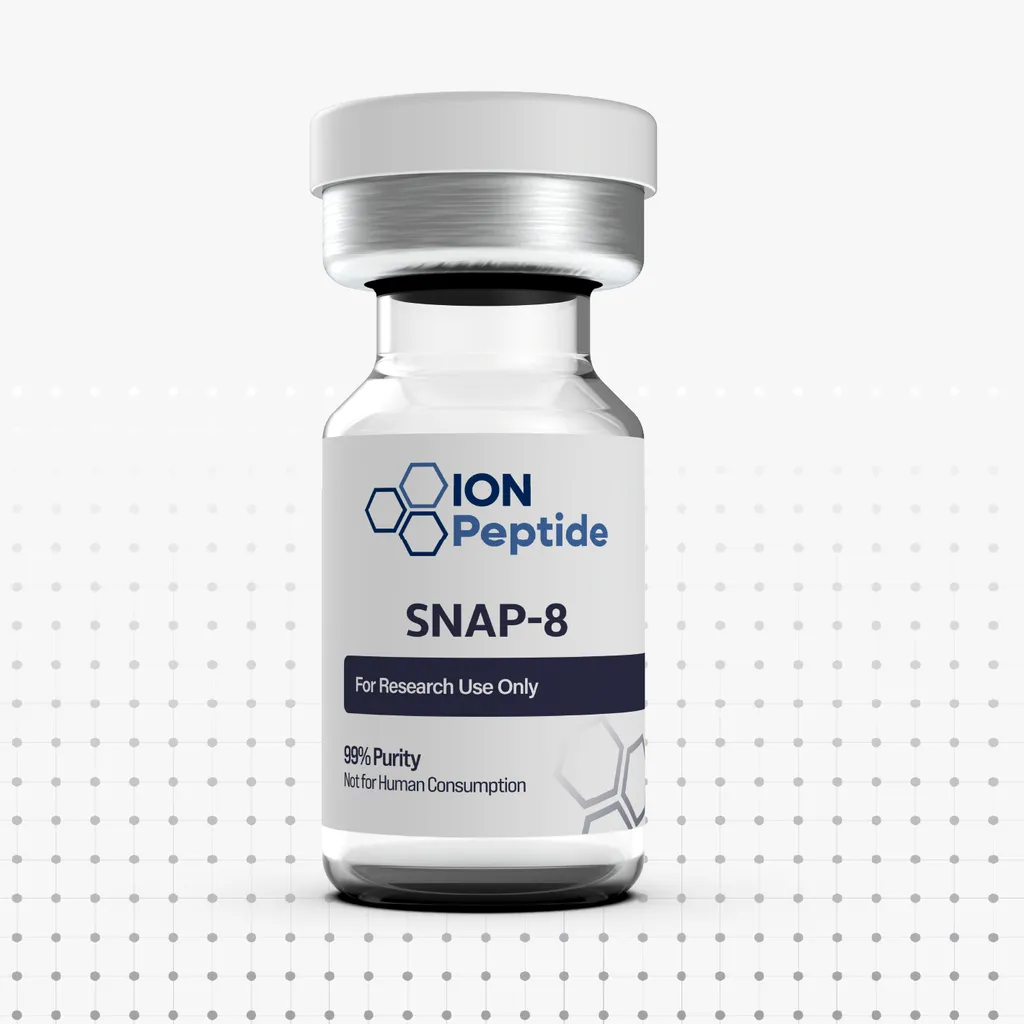
When evaluating snap 8 for research purposes, detailed batch documentation and consistent quality standards are important for understanding the characteristics of a particular research compound. Ion Peptide emphasizes transparent analytical records, batch traceability, and clearly documented testing procedures. Ion Peptide also recognizes that snap 8 should be evaluated through measurable laboratory evidence rather than unsupported promotional claims. For Ion Peptide, a strong quality-control framework should connect the physical material with its identity, purity, testing history, and batch-specific documentation.
Understanding Research-Grade Quality Standards
Research-grade quality refers to documented analytical characteristics that help researchers evaluate a material for laboratory investigation. It should not be confused with regulatory approval, clinical authorization, or proof of therapeutic effectiveness.
For snap 8, relevant quality attributes may include molecular identity, chromatographic purity, assay or content, related substances, residual materials, and other characteristics appropriate to the research requirements.
A complete quality program uses multiple analytical checks because no single test can establish every characteristic of a research compound.
Why Quality Documentation Matters
Quality documentation provides a written record of what was tested, which methods were used, and which production batch was evaluated. This makes analytical information easier to review and compare.
Ion Peptide can organize documentation according to individual quality attributes, allowing researchers to distinguish identity testing from purity analysis and other measurements. This approach provides greater clarity when reviewing snap 8 research materials.
The Importance of Batch Documentation
A batch number provides a unique identifier for a defined quantity of material. Batch-specific documentation connects that identifier with production records, analytical results, and the associated Certificate of Analysis.
For snap 8, researchers should confirm that the batch or lot number on the material corresponds to the number shown on the analytical documentation.
Essential Batch Information
A detailed batch record may contain:
- Compound or material name
- Batch or lot number
- Production date
- Testing date
- Laboratory identification
- Analytical methods
- Identity results
- Purity results
- Assay or content information
- Relevant impurity findings
- Specifications
- Acceptance criteria
- Storage information where applicable
Ion Peptide can strengthen traceability by using consistent batch identifiers throughout quality records, analytical reports, and Certificates of Analysis.
Identity Verification
Identity testing determines whether the tested material corresponds to the compound identified in the documentation. For peptide research materials, mass spectrometry can provide molecular-mass information that supports identity assessment.
When evaluating snap 8, identity should be treated as a separate quality attribute from purity. A high purity percentage does not automatically confirm that the material has the expected molecular identity.
Analytical Methods for Identity
Depending on laboratory procedures and the characteristics of the material, identity assessment may involve mass spectrometry, chromatography, spectroscopy, or other suitable analytical techniques.
Ion Peptide can make analytical records more informative by identifying the method used and associating the result with the relevant batch. Researchers can then determine exactly what the reported result demonstrates.
Purity Testing Standards
Purity testing evaluates the relative composition of a material under a defined analytical procedure. High-performance liquid chromatography is commonly used to separate components and assess chromatographic purity.
For snap 8, a reported purity percentage should be interpreted alongside the analytical method, chromatogram where available, specifications, and testing conditions.
Understanding HPLC Results
HPLC generates a chromatographic profile that can show the primary component and additional detectable peaks. The reported purity value depends on the analytical procedure and calculation method.
A numerical purity result should therefore not be treated as proof of every quality attribute. It describes what the particular method detects and measures within its defined scope.
Ion Peptide can improve transparency by presenting the analytical method and associated result together rather than relying on a standalone purity percentage.
Certificate of Analysis
A Certificate of Analysis, commonly called a CoA, summarizes analytical testing associated with a particular material or batch. It is an important component of research-compound quality documentation.
A CoA for snap 8 may include identity information, purity results, assay or content data, testing dates, laboratory details, batch numbers, and applicable specifications.
Features of a Useful CoA
A useful CoA should be clear, traceable, dated, and associated with a specific batch. It should provide sufficient analytical information for qualified researchers to understand the reported findings.
Ion Peptide can support better documentation by consistently recording batch identifiers, testing dates, analytical methods, and relevant results in quality records.
Independent Batch Verification
Independent verification involves having a sample from a defined batch evaluated by an external laboratory. This can provide an additional analytical perspective beyond internal quality-control testing.
For snap 8, third-party testing may evaluate selected characteristics such as identity or purity, depending on the laboratory's scope and the defined testing program.
Ion Peptide can incorporate independent laboratory findings into a broader quality-control framework while maintaining clear links between the tested sample and its corresponding batch.
Reviewing an Independent Laboratory Report
Researchers should look for several basic elements in a third-party report:
- Laboratory identification
- Compound identification
- Sample or batch number
- Testing date
- Analytical method
- Reported result
- Relevant specification
- Acceptance criteria where applicable
A claim that a material is “independently tested” is less informative when the underlying analytical report is unavailable. Transparent documentation provides more useful evidence because the test and its scope can be reviewed.
Purity, Assay, and Content
Purity, assay, and content are related but distinct analytical concepts. Chromatographic purity generally describes the relative distribution of components detected by a particular method, while assay or content testing can quantify the amount of target material.
For snap 8, researchers should review each reported value according to the analytical procedure used to generate it.
Why the Distinction Matters
Quantitative results can depend on reference materials, calibration, analytical conditions, and laboratory calculations. A purity percentage should therefore not automatically be treated as an absolute measurement of total material content.
Ion Peptide can make documentation clearer by identifying each numerical result according to the specific quality attribute it represents.
Impurity Evaluation
Impurities can arise during synthesis, purification, processing, degradation, or storage. Appropriate analytical methods can help identify and characterize relevant related substances.
For snap 8, impurity information should be reviewed alongside identity and purity results. Researchers should avoid assuming that a single purity value demonstrates the absence of every potential impurity.
Understanding Method Limitations
Every analytical method has a defined scope and limitations. A chromatographic test may be useful for assessing certain related substances but may not address microbiological characteristics or every type of residual material.
Ion Peptide can improve analytical transparency by separating different quality categories and identifying the method used for each reported characteristic.
Storage and Handling Documentation
Quality control extends beyond laboratory testing. Appropriate storage and handling procedures can help maintain the documented characteristics of research materials.
For snap 8, researchers should review applicable storage information and follow established laboratory procedures. Factors such as temperature, moisture, light exposure, packaging, and handling conditions may be relevant depending on the material.
Ion Peptide can maintain better traceability by associating storage and handling information with the corresponding batch records.
Building a Reliable Quality Framework
A comprehensive quality framework combines production controls, batch identification, analytical testing, independent verification, CoA documentation, and record retention.
For Ion Peptide, this structured approach creates a quality trail that allows researchers to determine what was tested, when testing occurred, which methods were used, and which batch was evaluated.
Practical Documentation Checklist
Researchers reviewing snap 8 documentation can ask:
- Is the material clearly identified?
- Is a unique batch or lot number provided?
- Does the CoA match the batch?
- Is the testing date documented?
- Is the laboratory identified?
- Are analytical methods described?
- Is identity testing reported?
- Is purity testing documented?
- Are assay and purity distinguished?
- Are relevant impurities addressed?
- Is independent verification available?
- Are storage requirements documented?
This checklist can make research-compound evaluation more systematic and evidence-based.
Frequently Asked Questions
1. What is snap 8 batch documentation?
snap 8 batch documentation is the collection of records connecting a specific production lot with its analytical testing, quality specifications, and relevant Certificate of Analysis.
2. Why is a batch number important?
A batch number provides traceability. It helps researchers determine whether laboratory findings and quality documents actually correspond to the specific material being evaluated.
3. Does high purity prove identity?
No. Purity and identity are separate analytical characteristics. Appropriate identity testing should be reviewed independently of chromatographic purity results.
4. What should a snap 8 CoA contain?
A useful CoA can include the material name, batch number, testing date, laboratory information, analytical methods, identity findings, purity results, assay or content information, and applicable specifications.
5. Does research-grade quality mean approved for human use?
No. Research-grade documentation describes analytical characteristics of research material. It does not establish regulatory approval, clinical suitability, or authorization for human use.
Conclusion
Detailed batch documentation provides an important foundation for evaluating research compounds. Snap 8 should be assessed through appropriate identity testing, purity analysis, batch-specific records, impurity evaluation, and independent verification where applicable.
Ion Peptide emphasizes transparent documentation that connects laboratory findings with identifiable production lots. By reviewing Certificates of Analysis, testing methods, laboratory information, batch numbers, and independent reports, researchers can better understand the evidence associated with a particular research material.
Ultimately, Ion Peptide quality documentation is most valuable when it clearly explains what was tested, how it was tested, when the analysis occurred, and which batch the results represent. This evidence-based approach supports consistent evaluation of research-grade compounds while keeping analytical characterization separate from claims about clinical or therapeutic use.