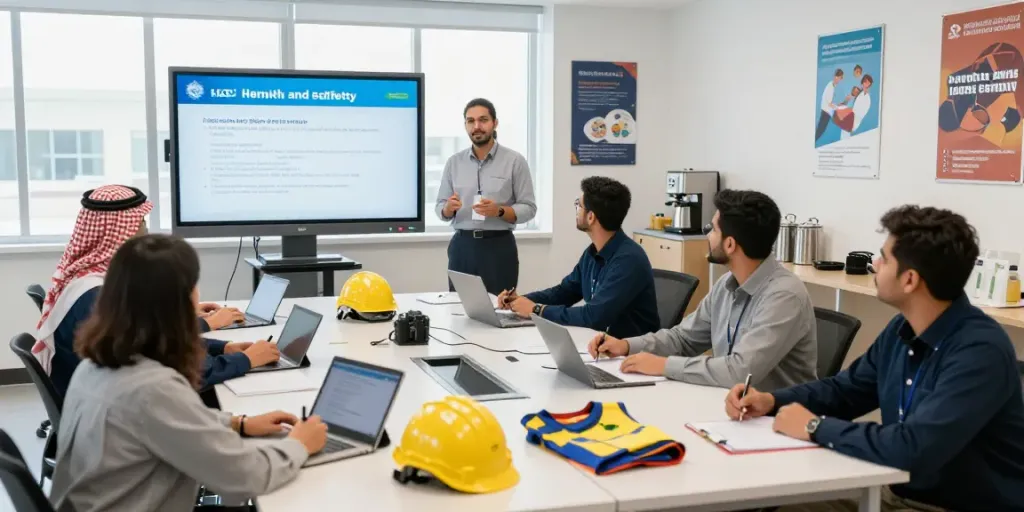
Understanding the Importance of HSE Training in Saudi Arabia
In the rapidly evolving landscape of industry and commerce, the emphasis on Health, Safety, and Environmental (HSE) training has become paramount, particularly in a country like Saudi Arabia. With its diverse sectors ranging from oil and gas to construction and manufacturing, the Kingdom is at a pivotal point where adhering to safety regulations and environmental standards is crucial not only for compliance but also for the welfare of its workforce. As industries grow, the demand for qualified safety professionals has risen, making the need for comprehensive training programs more essential than ever. When exploring options, Training Institute Saudi Arabia provides comprehensive insights into how specialized training can significantly enhance safety protocols across various sectors.
What is HSE Training?
HSE training encompasses a variety of educational programs designed to inform employees and management about the critical aspects of health, safety, and environmental management in the workplace. These training programs are structured to equip participants with the knowledge and skills necessary to identify risks, implement safety measures, and comply with regulatory requirements. HSE training can range from basic safety awareness courses to advanced certifications like the ProQual Level 6 Diploma in Occupational Health and Safety Practice.
Benefits of HSE Training for Professionals
- Enhanced Safety Knowledge: Employees learn to recognize hazards and mitigate risks effectively, which leads to fewer accidents and injuries.
- Regulatory Compliance: Training ensures organizations meet the legal requirements set forth by local and international regulations.
- Increased Job Opportunities: Professionals with HSE certifications are often more attractive to employers, leading to better job prospects.
- Improved Organizational Culture: A workforce educated in HSE practices fosters a culture of safety, resulting in higher morale and productivity.
The Role of Training Institutes in Enhancing Safety Standards
Training institutes play a critical role in the dissemination of knowledge regarding HSE practices. They offer structured courses that not only cover theoretical aspects but also provide practical insights through hands-on training. Institutes like Burraq Consulting are recognized for delivering internationally accredited courses in Saudi Arabia, ensuring that both employees and employers benefit from high-quality education tailored to their specific industry needs.
Top HSE Training Programs Offered
Overview of NFPA Certifications
The National Fire Protection Association (NFPA) provides globally recognized certifications that are essential for fire safety professionals. These certifications cover a range of topics, including hazard recognition, fire prevention strategies, and emergency response protocols. Programs like the NFPA certification preparation courses enable professionals to stay updated on the latest fire safety standards and practices.
Comparison of ProQual Diplomas
ProQual offers various diplomas that cater to different levels of expertise in health, safety, and environmental management. The NVQ Level 6 Diploma in Occupational Health and Safety Practice targets mid to senior-level professionals, while the ProQual Level 7 Diploma in Strategic Health and Safety Leadership and Management focuses on leadership skills necessary for strategic decision-making. Each program is designed to build upon the last, allowing for continuous professional development.
Specialty Training Courses Available
In addition to standard health and safety training, many institutes provide specialized courses tailored to specific industries. For instance, courses on Confined Space Entry and Hazardous Materials (HAZMAT) safety are increasingly in demand in sectors such as construction and chemical manufacturing. These specialized training programs ensure that employees are equipped with the necessary skills to handle unique risks associated with their job environments.
Navigating the Training Institute Landscape in Saudi Arabia
Choosing the Right Training Institute
With numerous training institutes available, selecting the right one involves assessing several factors. Accreditation is paramount—institutes should ideally be accredited by recognized bodies such as the NFPA or ProQual. Additionally, researching the credentials of instructors and the success rates of past students can provide valuable insights into the quality of the training offered.
Evaluating Course Accreditation and Recognition
Accreditation ensures that the training program meets established educational standards and is recognized by employers and regulatory bodies. Prospective students should seek out programs that are formally recognized both locally and internationally, ensuring their qualifications are valued across borders.
Understanding Training Fees and Financial Assistance
Training fees can vary significantly depending on the course and institute. Many organizations offer financial assistance or payment plans to make training more accessible. It is advisable to inquire about available discounts or corporate training packages, especially for larger groups.
Common Challenges in HSE Training Implementation
Addressing Workplace Compliance Issues
Companies often struggle with ensuring compliance to HSE standards due to a lack of proper training. Regular audits and compliance checks can help identify gaps in knowledge and areas needing improvement, paving the way for targeted training initiatives.
Overcoming Employee Resistance to Training
Resistance to training can stem from a variety of factors, including a perceived lack of relevance or time constraints. To combat this, training programs should be presented as opportunities for personal development and career growth, highlighting the direct benefits to employees.
Ensuring Quality and Consistency in Training Delivery
Maintaining a high standard of training delivery is essential for effective learning. Regular evaluations of training materials and instructor performance should be conducted to ensure that the content remains relevant and engaging. Feedback from participants should also be taken into account to continuously improve training programs.
Future Trends in HSE Training and Development
Emerging Technologies in Training Delivery
With advancements in technology, the way training is delivered is evolving. Virtual reality (VR) and augmented reality (AR) are beginning to play a significant role in safety training, providing immersive learning experiences that enhance understanding and retention of safety protocols.
The Impact of ISO Standards on Training Practices
ISO standards greatly influence HSE training practices, ensuring that organizations adhere to globally recognized best practices. Training programs now often include components related to ISO 9001:2015 (Quality Management Systems), ISO 14001:2026 (Environmental Management Systems), and ISO 45001:2018 (Occupational Health and Safety Management Systems).
Preparing for Changes in Industry Regulations by 2026
As regulations continue to evolve, training programs must remain adaptable. This means regularly updating course content to reflect legislative changes and emerging industry standards. Organizations should prepare for increased scrutiny from regulators and be proactive in ensuring that their training programs address these shifts.
What are the benefits of HSE training?
The benefits of HSE training extend beyond compliance and can significantly enhance workplace morale, reduce accident rates, and increase overall productivity. Employees who understand the importance of safety protocols are more likely to adhere to them, thereby fostering a safer work environment for everyone.
How do I choose a training institute in Saudi Arabia?
Choosing a training institute involves researching their accreditation, course offerings, instructor qualifications, and track record of successful training outcomes. Engaging with alumni and reading reviews can also help in making an informed decision.
What HSE certifications are recognized internationally?
Certifications such as those offered by the NFPA and IOSH (Institution of Occupational Safety and Health) are highly regarded and recognized internationally. These certifications validate a professional's competency and commitment to maintaining safety standards.
What are typical fees for HSE training programs?
Fees for HSE training programs can vary widely based on the institute and course level. Basic courses may start around a few hundred dollars, while advanced diplomas can cost significantly more. It is advisable to compare various institutes and consider factors like accreditation and course content when evaluating fees.
How will HSE training evolve in the next few years?
HSE training is likely to evolve with advancements in technology and a growing emphasis on sustainability. Remote learning through online platforms and the use of innovative training tools such as VR will enhance learning experiences. Furthermore, as regulations become stricter, the demand for comprehensive HSE training will increase, necessitating ongoing updates to course materials and methods.