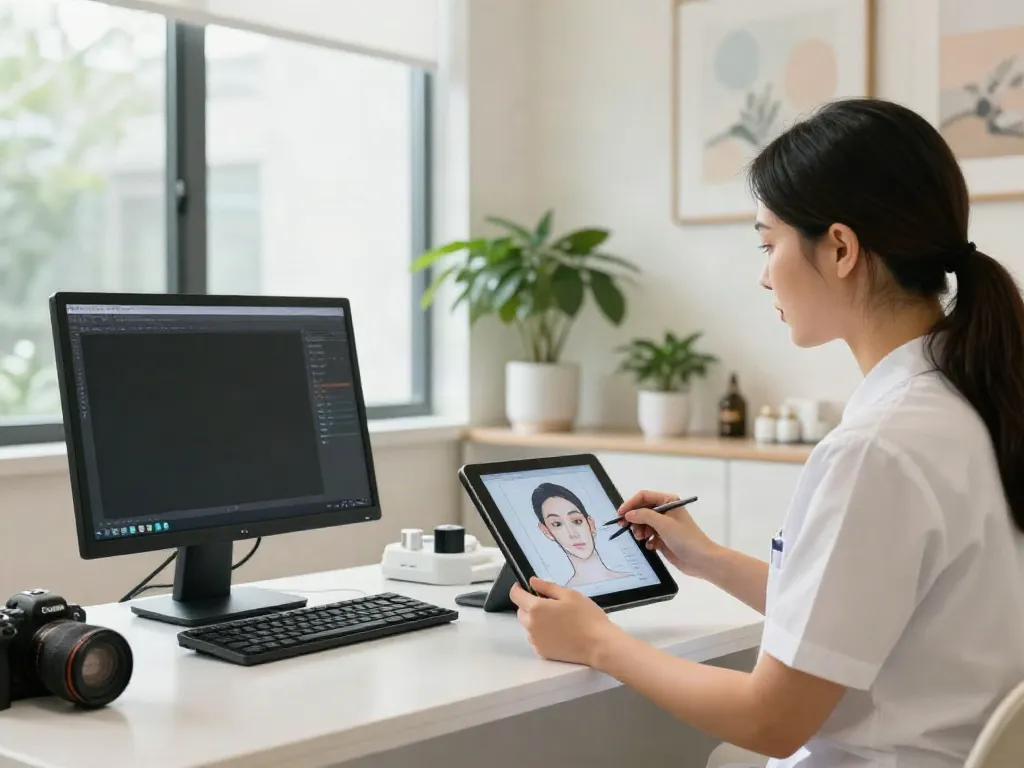
Understanding Alternatives to QOVES
With the growing popularity of AI-driven facial analysis services, many individuals are seeking alternatives to QOVES, a service that offers a detailed annual membership for $150. In 2026, as more people become conscious of their aesthetics, the demand for personalized beauty solutions has surged. By exploring different options, users can find services that fit their specific preferences and budget. For a detailed comparison of various alternatives, including Alternatives to QOVES, this article will delve into the services available, their features, and pricing structures.
What Are the Available Services?
Many facial analysis services have emerged to cater to users seeking insights into their appearance. These services range from comprehensive analysis platforms to quick assessment apps. The main players in this space include ClinicEvo, Umax, LooksMax AI, PrettyScale, and FaceRate.ai. Each platform has its unique approach to beauty assessment and user engagement, making it essential to analyze their offerings critically.
Comparison of Features and Pricing
When choosing an alternative to QOVES, it's crucial to compare not only the pricing but also the features each service provides. For instance, while QOVES charges $150 per year for annual membership, ClinicEvo offers a full analysis for $12 a month, totaling approximately $144 per year. Such differences may influence a user's decision depending on the depth of analysis they seek.
Target Audience for Facial Analysis Apps
Facial analysis apps appeal to a broad audience, including beauty enthusiasts, professionals seeking aesthetic enhancements, and anyone looking to improve their appearance. Understanding the target demographic of each service can help users select the service that aligns best with their specific needs.
Five Leading Alternatives to QOVES
ClinicEvo: Personalized Plans
ClinicEvo distinguishes itself by providing personalized plans through a combination of AI technology and human review. For $12 a month, members receive a comprehensive report reviewed by trained aesthetics specialists within five business days. This human touch ensures that results are not only algorithmically generated but also refined by experts who understand the nuances of aesthetic appeal.
Umax: Instant Self-Evaluation
Umax is designed for quick self-assessment, allowing users to upload selfies and receive an immediate attractiveness score based on various facial features. This app targets users wishing for immediate feedback without the need for the in-depth analysis provided by QOVES. Priced competitively, Umax is particularly popular among younger audiences seeking fast and straightforward evaluations.
LooksMax AI: AI-Driven Suggestions
LooksMax AI focuses on providing users with actionable suggestions tailored to enhance their attractiveness based on AI analysis. This service combines facial recognition technology with beauty enhancement tips, enabling users to receive customized suggestions to improve their appearance in an engaging format.
PrettyScale: Basic Beauty Scoring
PrettyScale stands out for its simplicity and free service model, offering users a basic beauty score derived from automatic calculations of facial symmetry and proportions. While it lacks the depth of analysis found in paid services, PrettyScale appeals to users looking for a quick and cost-effective assessment of their looks.
FaceRate.ai: Quick and Accessible Ratings
FaceRate.ai provides users with instant ratings based on algorithms analyzing their uploaded selfies. This app is user-friendly, allowing individuals to obtain facial scores rapidly without any financial commitment. Though it may not offer the personalized nuances of a service like QOVES, its accessibility makes it a popular choice among casual users.
Key Factors to Consider When Choosing a Service
Importance of Human Review in Analysis
One of the most significant factors to consider when selecting a facial analysis service is whether the results are reviewed by trained professionals. For instance, while QOVES and ClinicEvo provide human-reviewed reports, other options, such as Umax and LooksMax AI, may deliver purely algorithmic evaluations. This aspect can greatly impact the quality and reliability of the analysis provided.
Understanding Pricing Structures
Pricing structures can vary widely among facial analysis services. Some offer monthly subscriptions, while others may have a one-time payment model. Understanding the total cost over a year, including any hidden fees or renewal charges, is essential for making informed choices. Users should weigh these factors against the potential benefits each service provides.
Evaluating Long-Term Engagement and Tracking
Users should consider whether the service offers ongoing support or tracking after the initial analysis. Services that provide follow-up assessments or continuous feedback might be more beneficial for individuals looking to implement long-term changes to their appearance.
Common Questions About Facial Analysis Services
Is There a Free Version for Facial Analysis?
Many services offer varying degrees of free access. For example, PrettyScale and FaceRate.ai have free models that allow users to receive basic beauty scores. However, these may not provide the comprehensive insights and personalized plans that paid services like ClinicEvo deliver.
How Accurate Are These Analysis Tools?
The accuracy of facial analysis tools can vary significantly based on the algorithms and methodologies used. Services combining AI with human expertise, such as ClinicEvo, tend to yield more refined and relevant results compared to those relying solely on algorithmic calculations.
What Should You Expect From Your Results?
Users can expect a range of outcomes based on the service chosen. While some platforms offer detailed reports highlighting areas for improvement, others may provide a simple numerical score. Understanding these expectations can help users make choices aligned with their goals.
Future Trends in Facial Analysis Technology
Emerging Technologies in Aesthetic Assessment
The field of facial analysis is rapidly evolving, with emerging technologies such as advanced machine learning and augmented reality enhancing user experiences. Future services may integrate these technologies to provide more immersive and interactive assessments.
Consumer Preferences in 2026
As we move further into 2026, users are likely to prioritize services that offer personalized experiences, immediate feedback, and reliable results. The demand for transparency in how analyses are conducted will also rise, prompting companies to ensure clarity in their methodologies.
Innovations in User Engagement
To retain user interest, facial analysis services may explore innovative engagement strategies, such as gamification, community features, or personalized content. By enhancing the overall experience, these services can build long-term relationships with their users.
What are the main advantages of using an alternative to QOVES?
Alternatives to QOVES, like ClinicEvo and Umax, often provide more flexible pricing, faster evaluations, or varied features that can cater to a broader audience. These services may also offer distinct advantages, such as personalization versus automation, allowing users to choose their preferred method of analysis.
How do pricing models differ among these services?
Pricing models can range from monthly subscriptions, like those offered by ClinicEvo, to one-time payments for apps like Umax. Understanding these models is crucial for users seeking the best value based on their needs and frequency of use.
What features should I look for in a facial analysis app?
Essential features to consider when evaluating facial analysis apps include the accuracy of the analysis, whether human review is involved, the comprehensiveness of the feedback provided, and the overall user experience in terms of app design and usability.
What are the most user-friendly alternatives to QOVES?
User-friendly options, such as PrettyScale and FaceRate.ai, allow for straightforward uploads and instant feedback, making them appealing for users who prefer quick assessments without complex navigational elements.
How do user reviews influence my service choice?
User reviews can provide invaluable insights into the effectiveness and reliability of facial analysis services. By researching past experiences, potential users can gain a better understanding of each service’s strengths and weaknesses, assisting them in making informed decisions.