Understanding Heart Transplantation Program
The need for a heart transplantation program has become increasingly important as cardiovascular disease continues to be a leading cause of mortality worldwide. Heart failure, or cardiomyopathy, affects millions of people and can severely diminish quality of life. When medical therapies fail and quality of life deteriorates, heart transplantation represents a life-saving option for many patients. The Heart transplantation program at Cleveland Clinic Abu Dhabi is designed to provide advanced care that encompasses every aspect of patient needs, from pre-transplant assessment to post-operative follow-up.
What is a Heart Transplantation Program?
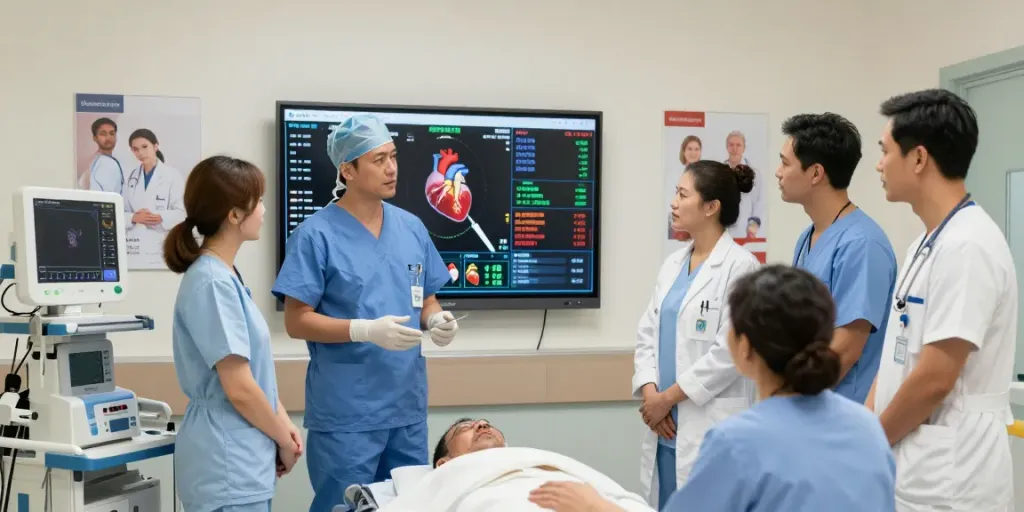
A heart transplantation program is a specialized medical initiative that focuses on providing comprehensive evaluation and treatment options for patients who suffer from severe heart conditions. The program includes a multidisciplinary team of cardiologists, transplant surgeons, nurses, and other healthcare professionals who collaborate to ensure optimal outcomes for patients undergoing transplantation.
The program also involves a rigorous selection process to determine patient eligibility, ensuring that only those who can benefit the most from the procedure are considered. Patients typically undergo extensive testing and assessments to evaluate their cardiac health, potential for recovery, and overall fitness for surgery.
Key Components of Successful Heart Transplant Programs
- Multidisciplinary Team: The program involves a team that includes cardiologists, transplant surgeons, anesthesiologists, and nursing staff who specialize in the care of transplant patients.
- Comprehensive Patient Evaluation: Thorough assessments are conducted to evaluate the patient's medical history, current health status, and specific needs related to heart failure.
- Pre- and Post-Transplant Care: Care extends beyond surgery, with ongoing monitoring and support provided after transplantation to ensure successful recovery.
- Patient Education and Support: Programs often include educational resources and counseling for patients and their families throughout the transplantation process.
Patient Eligibility and Assessment Criteria
Eligibility for heart transplantation is determined based on specific clinical criteria, which may include:
- Diagnosis of severe heart failure or end-stage heart disease.
- Inability to achieve sufficient heart function despite standard medical therapies.
- Absence of other significant medical conditions that could complicate surgery and recovery.
- Age, with many programs preferring patients between 18 and 70 years.
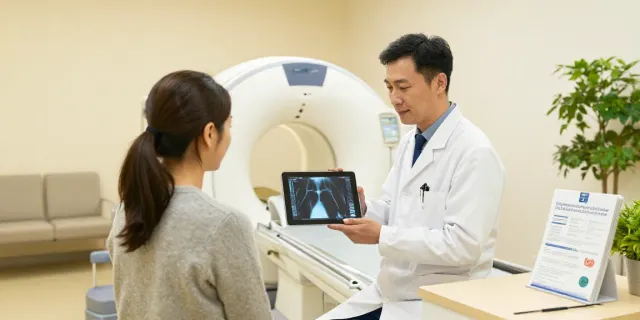
The assessment typically involves a series of diagnostic tests, including echocardiograms, cardiac catheterizations, and laboratory tests. This thorough evaluation helps to determine the best course of action and ensures that patients are well-informed about the procedure.
Diagnosis and Management of Heart Failure
Understanding Heart Failure Symptoms and Diagnosis
Heart failure can manifest through a variety of symptoms, including shortness of breath, fatigue, swollen legs, and decreased ability to exercise. Diagnosing heart failure typically begins with a detailed medical history and physical examination, followed by specific diagnostic tests to evaluate heart function. Common tests include:
- Echocardiogram: An ultrasound that provides images of the heart's structure and function.
- Electrocardiogram (ECG): Records electrical activity of the heart to identify irregular rhythms.
- B-type natriuretic peptide (BNP) test: Measures levels of a hormone that increases when heart failure worsens.
Non-Surgical Treatments for Heart Failure
Management of heart failure often begins with non-surgical interventions aimed at improving heart function and quality of life. These may include:
- Medications: Diuretics, ACE inhibitors, beta-blockers, and other drug classes that help manage symptoms and improve heart function.
- Lifestyle Changes: Recommendations for dietary adjustments, physical activity, and weight management are crucial for patients to control their condition.
- Cardiac Rehabilitation: Structured programs that include education, exercise training, and support to help patients recover and improve their heart health.
Advanced Surgical Options and Technologies
For patients who do not respond adequately to medical management, advanced surgical options may be considered. These include:
- Heart Valve Repair or Replacement: Surgical intervention to correct structural heart issues that contribute to heart failure.
- Ventricular Assist Devices (VADs): Mechanical pumps that support heart function until a transplant can occur.
- Heart Transplantation: A life-saving option for patients with end-stage heart failure, offering a chance at renewed health.
Innovative Treatments in Heart Transplantation
Latest Advances in Surgical Techniques
Heart transplantation has evolved significantly over the years, with new surgical techniques improving patient outcomes. Minimally invasive procedures and innovative approaches aim to reduce recovery times and complications. For example, the use of robotics in surgery allows for precision and smaller incisions, enhancing recovery experiences for patients.
Use of Artificial Heart Pumps and Devices
Artificial heart pumps, such as left ventricular assist devices (LVADs), are becoming instrumental in managing severe heart failure. These devices can extend the lives of patients awaiting transplants or serve as a destination therapy for those who are non-transplant candidates. The integration of such technologies in heart failure management symbolizes a leap forward in patient care.
Remote Patient Monitoring Technologies
Remote monitoring has become increasingly vital, allowing healthcare providers to track patient health and detect complications early. Technologies that enable continuous monitoring of heart rates and vital signs help inform providers of changes that may require urgent intervention.
Patient Stories and Experiences
Inspiring Success Stories from Heart Transplant Recipients
Heart transplant recipients often share stories of life transformation, underscoring the program's impact on their lives. For instance, patients who have received transplants report renewed energy and an ability to engage in activities they previously could not enjoy due to heart failure. These success stories are a testament to the commitment and skill of the surgical teams involved in the transplantation process.
Challenges Faced by Patients and Their Families
While heart transplantation can be life-saving, patients and their families face numerous challenges, including adjusting to lifestyle changes, managing medications, and navigating the emotional impacts of transplantation. Support groups and counseling services are critical in helping families cope with these transitions.
Benefits of a Supportive Care Team
The role of a supportive care team cannot be overstated. Consisting of nurses, social workers, and counselors, these professionals provide invaluable guidance and emotional support. Their efforts focus on ensuring that families are educated and prepared for each step of the heart transplantation journey.
Future of Heart Transplantation Programs
Trends and Predictions for 2026 and Beyond
As we look to the future, trends indicate an increased focus on personalized medicine in heart transplantation. Advances in genetic testing and biocompatible materials are anticipated to enhance the success rates of transplants, leading to better patient outcomes and fewer complications.
Patient-Centric Approaches in Transplantation
Future heart transplantation programs will likely emphasize patient-centered care, focusing on individual needs and preferences while ensuring that treatment plans are tailored to each patient's unique circumstances. This approach aims to enhance the overall patient experience and outcomes.
Global Comparisons of Heart Transplantation Outcomes
Outcomes of heart transplantation can vary significantly across different regions and programs. By comparing success rates, waiting times, and survival rates, healthcare systems can identify best practices and adopt strategies that improve overall care quality for patients worldwide.
What is the average survival rate for someone who received a heart transplant?
Research indicates that the average one-year survival rate post-heart transplant is about 90%, with many patients living five years or more after the procedure. The success of transplantation heavily relies on the donor heart's compatibility and the patient's ongoing care and follow-up.
What financial assistance programs are available for heart transplant patients?
Many healthcare systems provide financial assistance programs to support patients undergoing heart transplantation. These may include coverage through insurance providers, government programs, or financial aid from transplant centers.
Can you live a full life after a heart transplant?
Yes, many heart transplant recipients lead fulfilling lives, returning to work and participating in daily activities. Ongoing maintenance, including regular check-ups and adherence to medication regimens, is essential for long-term success.
What are the restrictions I need to follow after a heart transplant?
Post-transplant, patients are advised to follow specific restrictions, including avoiding vigorous exercise, maintaining a heart-healthy diet, and adhering to medication schedules. Regular follow-up appointments are crucial to monitor heart function and overall health.
How to prepare for a heart transplant surgery?
Preparation for heart transplant surgery involves a thorough evaluation, lifestyle modifications, and adherence to physician recommendations. Patients are encouraged to engage in discussions with their transplant team to ensure a comprehensive understanding of the procedure and recovery process.