Understanding Containerized Water Treatment Systems
As the demand for clean, safe drinking water grows, so does the need for innovative water treatment solutions. Containerized water treatment systems have emerged as a flexible and efficient method, allowing for rapid deployment and adaptability across various environments. These modular systems are engineered to deliver high-quality water treatment processes for municipal, industrial, and remote locations, overcoming the challenges posed by traditional treatment methods. When exploring options, water treatment systems Supplier like QILEE offer comprehensive insights into the benefits of containerized solutions.
What are Containerized Water Treatment Systems?
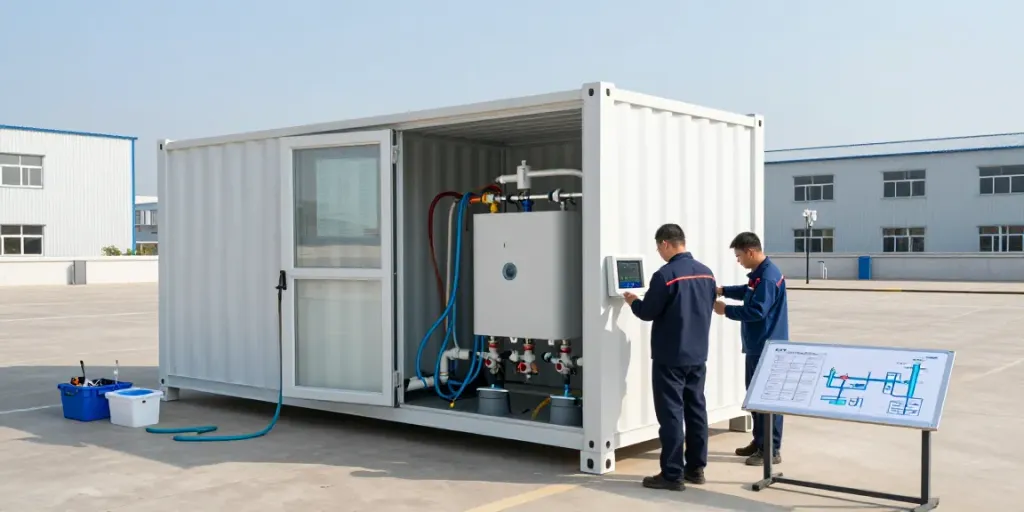
Containerized water treatment systems consist of pre-assembled treatment modules housed within transportable containers. Designed for off-site manufacturing, these systems integrate multiple water treatment processes, including filtration, disinfection, and purification technologies such as reverse osmosis (RO). The compact design allows for easy transport, making them ideal for diverse applications, from urban water supply networks to remote field operations.
Key Features and Benefits of Modular Systems
Incorporating advanced technologies, containerized systems provide several advantages:
- Modular Design: The systems can be customized based on the specific needs of the water source and desired output quality.
- Rapid Installation: With deployment timelines of just 3-7 days, these systems significantly shorten the lead time compared to traditional setups, which can take months.
- Scalability: Containerized systems can easily be expanded or relocated, making them suitable for growing municipalities or temporary setups in disaster recovery scenarios.
- High Efficiency: They feature advanced monitoring and control technologies, ensuring optimal performance and water quality.
Core Advantages of Containerized Solutions
Rapid Deployment and Installation Process
Containerized water treatment systems stand out for their ability to be deployed swiftly. Traditional water treatment systems often require extensive site preparation and civil engineering, making them time-consuming to set up. In contrast, containerized solutions can be operational within a week, allowing communities to gain immediate access to essential clean water.
Space Efficiency and Site Requirements
These systems are designed to occupy minimal ground space, requiring only a flat surface for placement. This is a significant advantage in densely populated areas where land is at a premium. By utilizing compact designs, containerized systems can save up to 50% of the floor space compared to traditional setups, making them particularly valuable in urban environments.
Cost-Effectiveness and Resource Reusability
Containerized systems often demonstrate lower installation and operational costs. The factory prefabrication process coupled with standardized inspection reduces on-site labor requirements and potential construction errors. Moreover, with their reusability rate exceeding 90%, these solutions support resource recycling initiatives, integrating reclaimed water modules capable of repurposing wastewater for non-potable uses.
Technological Innovations in Water Treatment
Real-Time Monitoring and Intelligent Control Systems
Innovation is at the heart of containerized water treatment systems. Many incorporate intelligent control systems that enable real-time monitoring of water quality parameters. This capability not only optimizes system performance but also allows operators to quickly respond to any quality fluctuations, ensuring compliance with health and safety standards.
Integration of Reverse Osmosis and RO-EDI Technologies
Advanced technologies such as reverse osmosis (RO) and electrodeionization (EDI) deliver high-purity water for applications in pharmaceuticals, laboratories, and food processing. By integrating these technologies into containerized systems, users can expect consistent water quality tailored to their specific industrial requirements.
Future Trends in Water Treatment Technology for 2026
Looking ahead, the water treatment industry will likely see significant advancements in sustainability and efficiency. Emerging technologies will focus on reducing energy consumption, enhancing water recovery rates, and implementing smart solutions for predictive maintenance and operational efficiency. Containerized systems will play a key role in these developments, providing adaptable solutions to meet the growing global demand for clean water.
Practical Applications Across Industries
Municipal Water Supply Needs and Solutions
Containerized water treatment systems are increasingly being adopted by municipalities aiming to enhance their water supply capabilities. With the growing pressure on urban water systems, these solutions provide a practical and efficient method for ensuring water quality and availability. They can be deployed in various scenarios, such as emergency response to natural disasters or sudden population surges, ensuring communities have immediate access to safe drinking water.
Industrial and Pharmaceutical Requirements
The demand for high-purity water in the pharmaceutical and industrial sectors necessitates reliable treatment solutions. Containerized systems equipped with RO and RO-EDI technologies ensure that these industries meet stringent water quality standards while also offering flexibility in scale and location.
Remote and Disaster Recovery Scenarios
In times of crisis, traditional water treatment solutions can be slow to set up, leaving regions vulnerable to water shortages and quality issues. Containerized systems can be rapidly deployed in disaster recovery scenarios, providing immediate access to potable water for affected populations while also allowing for mobile applications in remote areas devoid of established infrastructure.
Challenges and Considerations
Common Misconceptions About Containerized Systems
Despite the many advantages of containerized water treatment systems, misconceptions persist. Some may view them as less robust than traditional systems. However, the reality is that these modular solutions are engineered through rigorous standards, ensuring reliability and performance comparable to conventional plants.
Addressing Regulatory Compliance and Quality Standards
While containerized systems offer flexibility, they must also adhere to local regulatory requirements and health standards. Proper planning and regular inspections are critical in maintaining compliance and ensuring water quality is consistently met or exceeded.
Strategies for Successful Implementation and Maintenance
Successful integration of containerized systems involves careful project planning, staff training, and maintenance protocols. Engaging experienced suppliers and manufacturers ensures that all aspects of implementation are handled efficiently, allowing for smooth operation and maintenance.
What is the typical lifespan of a containerized water treatment system?
Containerized systems are designed for longevity, with many systems capable of operating for 15-20 years, depending on the maintenance practices and environmental conditions. Regular inspections and timely updates can significantly enhance their operational lifespan.
How do containerized systems manage different water qualities?
Containerized systems are equipped with versatile treatment technologies, allowing them to accommodate various incoming water qualities, from surface water to industrial effluent. The modular design enables treatment processes to be customized based on specific water characteristics.
What industries benefit the most from containerized water treatment?
Industries such as pharmaceuticals, food and beverage, agriculture, and municipal services greatly benefit from containerized water treatment systems due to their need for high-quality water and flexibility in deployment.
Are containerized systems environmentally friendly?
Yes, containerized systems promote sustainability through resource recycling and lower energy consumption compared to traditional systems. Their ability to integrate reclaimed water modules further enhances their environmental benefits, making them a responsible choice for modern water treatment needs.
What maintenance practices are recommended for these systems?
Regular maintenance practices include monitoring water quality, checking system integrity, and performing routine cleaning and servicing of the treatment components. Establishing a maintenance schedule and using advanced monitoring technologies can improve reliability and prolong system life.